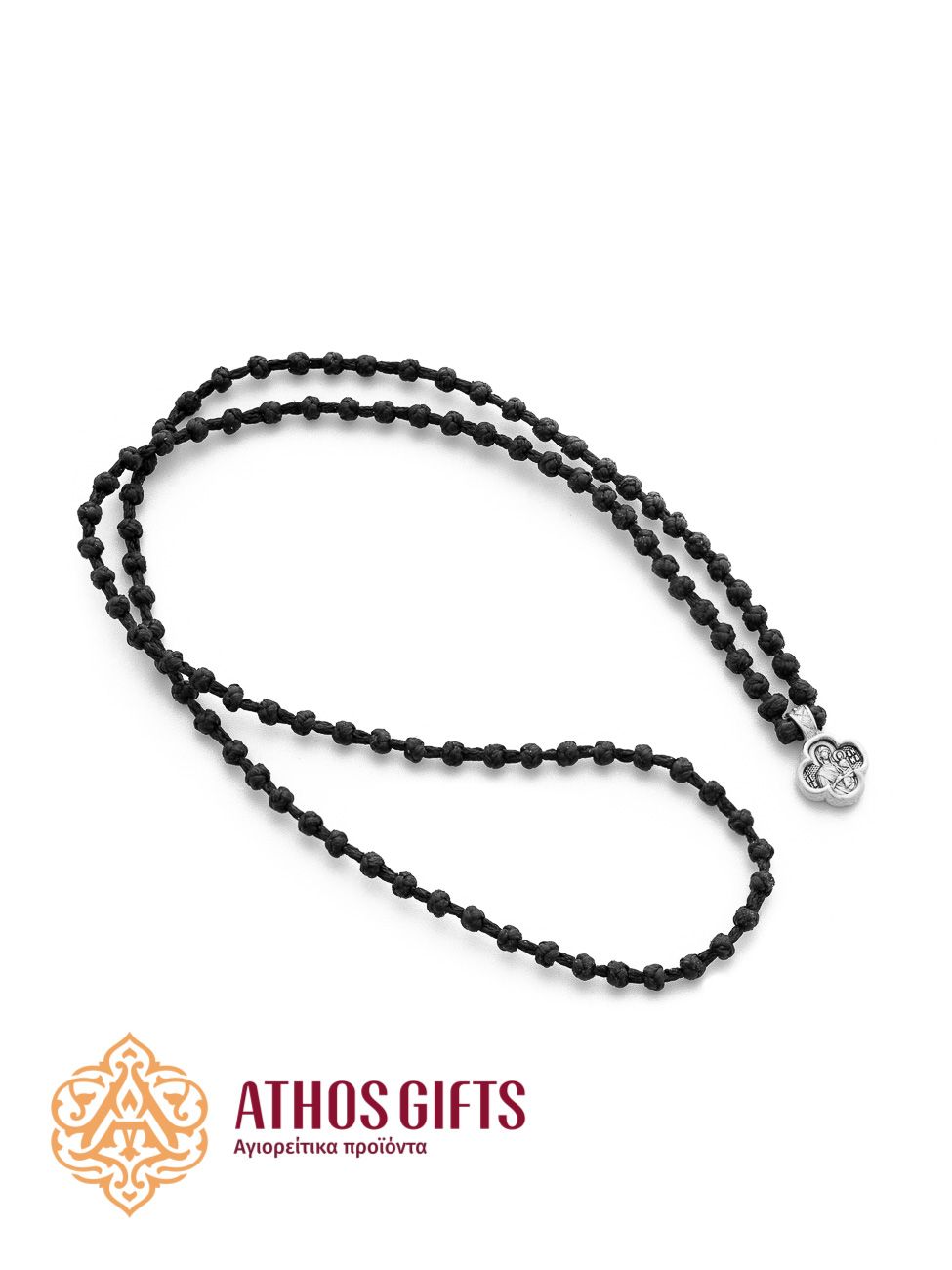
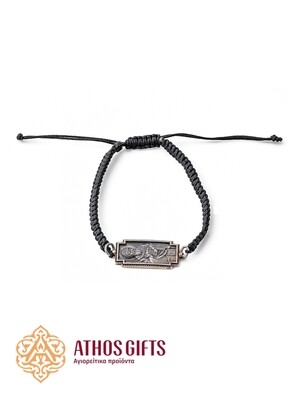
Prayer Rope with Silver Pendant | Saint Anne
SKU JI1113
50,00 €
Silver 925
Metal
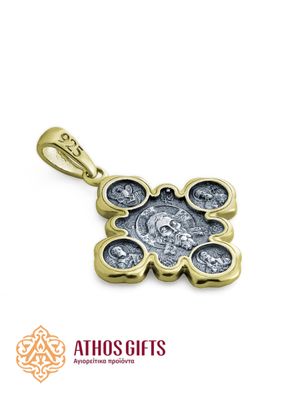
Braided prayer rope made of weaving cord with a 925 sterling silver pendant depicting Saint Anne. Pendant size: 1,2x1,2 cm
In stock: 5 available
1
Save this product for later
Prayer Rope with Silver Pendant | Saint Anne
Product Details
The pendant is made of 925 sterling silver. The front side features an image of Saint Anne. The reverse bears the inscription ΙΣ ΧΣ ΝΙΚΑ ("Ἰησοῦς Χριστὸς νικᾷ", or "Jesus Christ Conquers"), located in the four corners of the equilateral cross, which is a depiction of the 'ΙΣ ΧΣ ΝΙΚΑ' arrangement according to medieval Greek tradition.
Saint Anne
The miraculous icon is kept in the main temple of the skete of St. Anne. In the 18th century, monk Dionysius created a handwritten prayer for it, which is now sung before the icon on Sundays after Divine Liturgy. A prayer is also said daily before the icon by the administrator of the skete.
It is believed that the icon of St. Anne helps heal from infertility. After the sacrament of confession, the couple offer daily prayers to the saint. In honor of the Virgin Mary's parents, in such families the boys born are usually named Joachim, and the girls are named Anne.
Komboskini prayer rope
Greek komboskini prayer ropes are usually made of wool or special weaving cord. The name of the prayer rope reflects its essence and purpose: in Greek, kombos (κόμπος) means "knot", and skini (σχοινί) is a rope or cord.
Such prayer ropes are woven in a special way: each knot consists of 9 crosses of cord, symbolizing the nine crosses, or nine angelic ranks. Often seed beads are woven into the prayer ropes, and almost always they include crosses. The practical significance is that such dividers make it easier to count prayers. When a monk reaches the cross, he realizes that he has uttered a certain number of prayers.
Believers often decorate icons with komboskini prayer ropes, as well as give them to their family and friends to remember and pray for them.
You May Also Like
Display prices in:EUR